
Via Sotheby's Realty
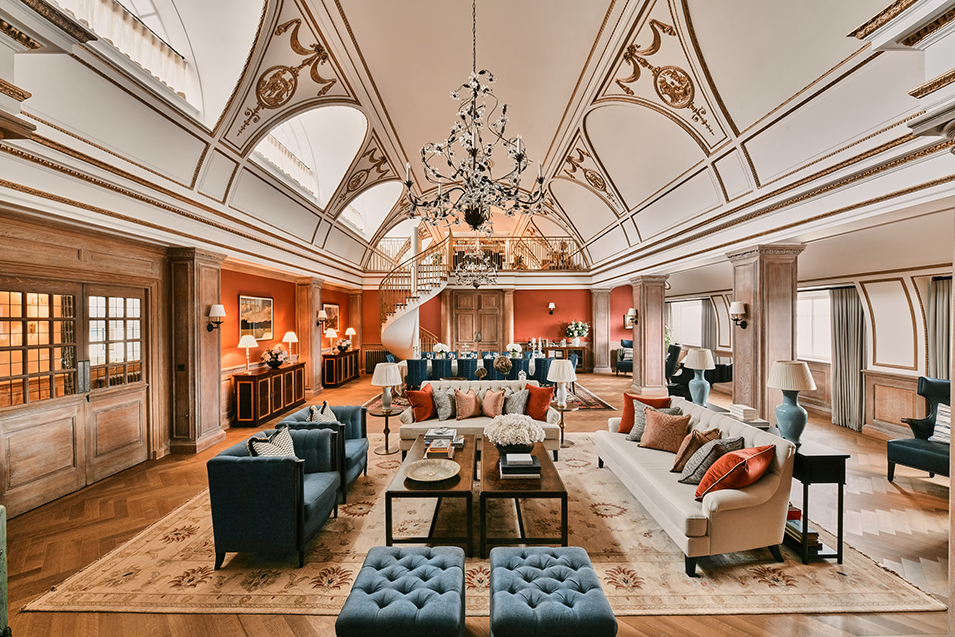 London, England | United Kingdom Sotheby’s International Realty
There aren’t many artists who encapsulate the essence of art deco as magnificently as Tamara de Lempicka—and this fall, the Fine Arts Museums of San Francisco are presenting her first major US retrospective. Renowned for vibrant, captivating portraits of the wealthy and famous, the Polish-born painter’s highly stylized works helped define the art deco movement, which flourished throughout the 1920s and early 1930s. While landmarks such as the Empire State Building and Chrysler Building remain as architectural monuments to the glamorous style, its sleek interior aesthetic is now making a comeback, a century after its emergence.
“Art deco immediately transports you to a bygone era of drama, intrigue and fun,” says Bryan O’Sullivan, the acclaimed Irish interior designer responsible for a host of elegant spaces including London’s Claridge’s hotel, where his reinvention of its infamous restaurant embraced art deco inspiration throughout. “I love the sense of indulgence associated with the era, particularly the curves, which really draw you in. We use it as a reference point throughout many of our projects, and we often pull in geometric shapes, jewel tones and layered lighting, all of which make a project feel elevated and decadent.” Such an approach can also be seen at The Astor, a luxurious London apartment in a Grade II-listed 1920s building that celebrates its art deco heritage through newly designed interiors.
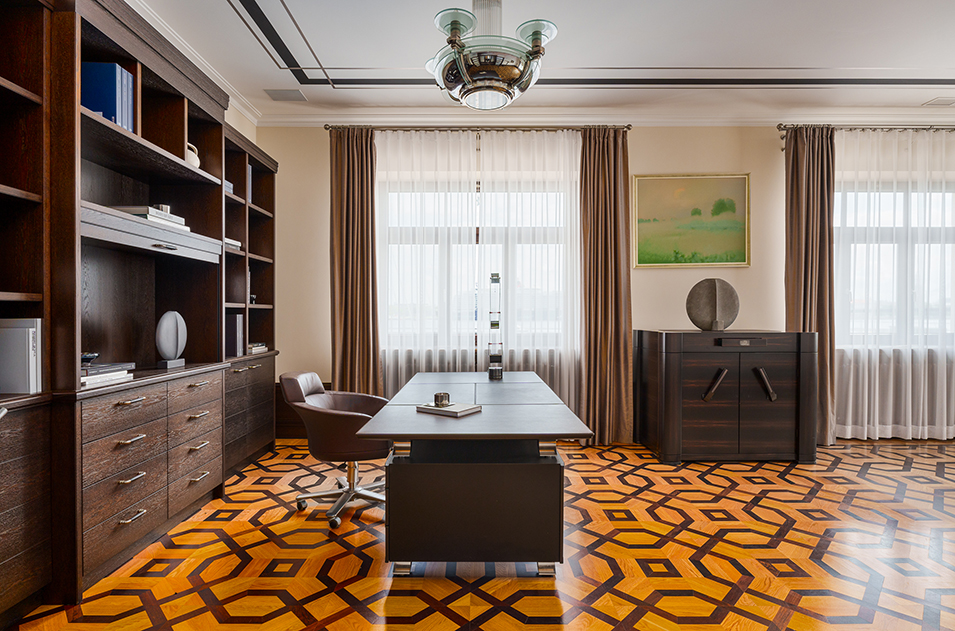 Riga, Latvia | Latvia Sotheby’s International Realty
Though the style may be a century old, its relevance feels fresh even today. “Art deco celebrated all that was new, youthful and optimistic,” says Lucy Derbyshire, co-founder of London-based interior design practice Studio QD and co-author of new book “Interior Style: Art Deco.” “The interiors are visually captivating and full of life. Art deco-inspired spaces exude a sense of luxury and an aspirational appeal. It also gives designers a lot to play with, as you can very easily pluck elements and layer them into your work without fully recreating a 1920s or 1930s interior.”
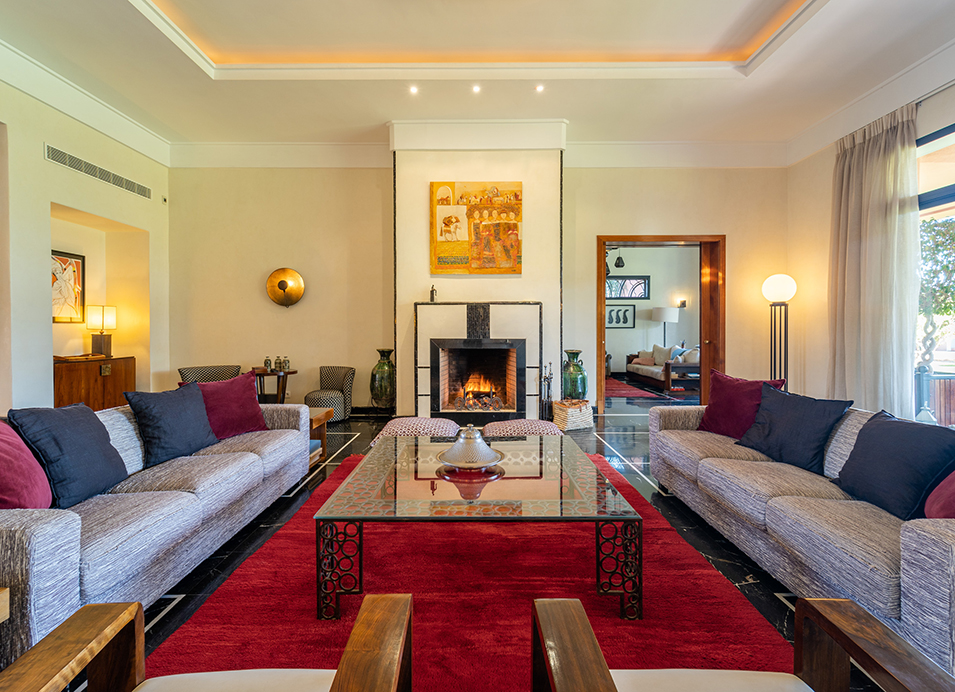 Marrakech, Morocco | Morocco Sotheby’s International Realty
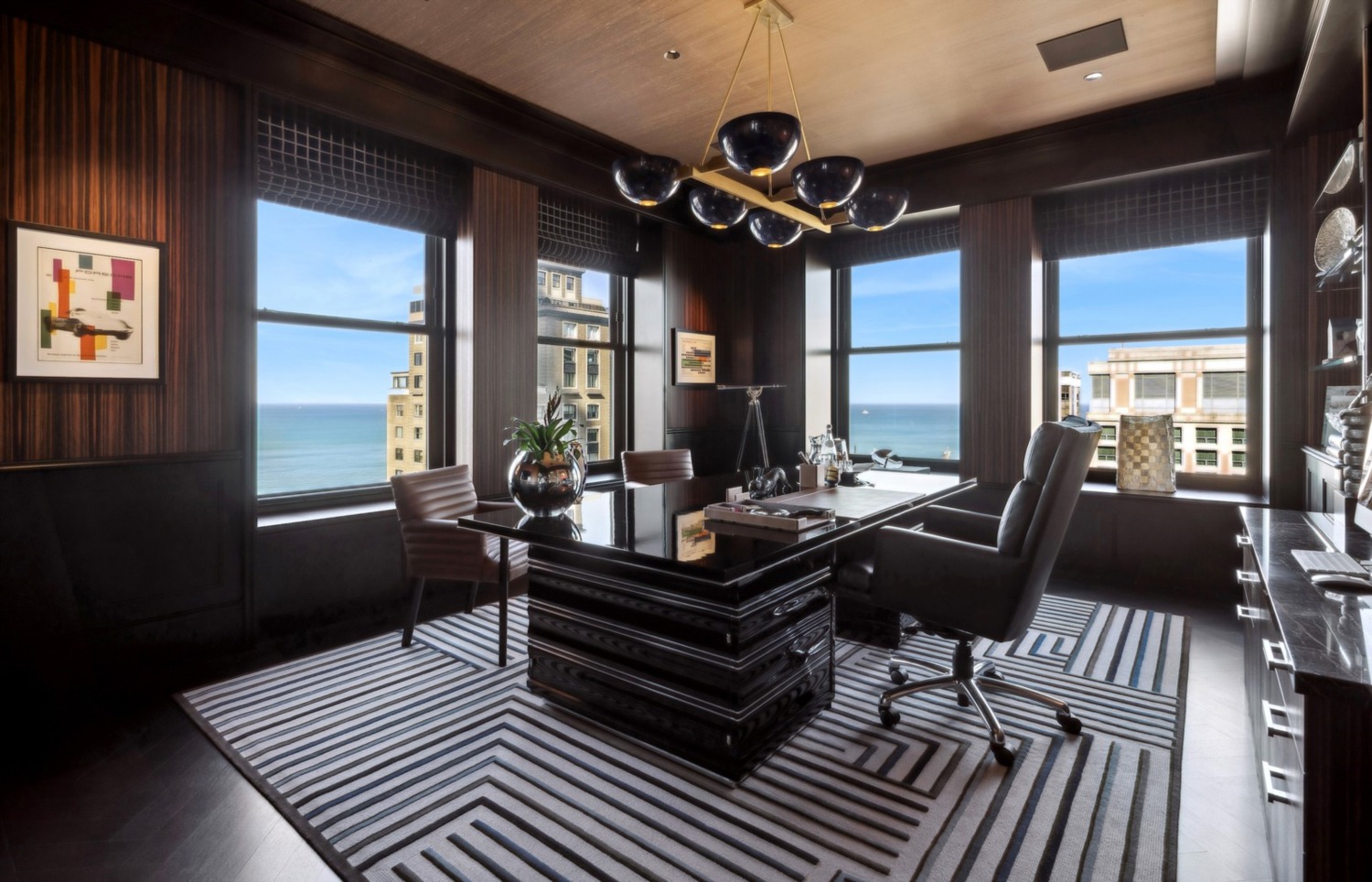
This enduring style is what makes 159 East Walton Place in Chicago a standout property. Occupying the entire premier floor in the city’s iconic Palmolive Building, originally masterminded in 1929 by esteemed architectural firm Holabird & Root, the three-bedroom apartment overlooks both the glittering Magnificent Mile and the waters of Lake Michigan.
“The owners did a complete two-year renovation that was finished not long ago, so it’s turn-key perfection,” says Tim Salm, senior vice president of sales at Jameson Sotheby’s International Realty in Chicago. “They really embraced the art deco aesthetic and put a modern spin on it with high-end finishes, so it’s a perfect meld of past and present.” Examples include a custom marble medallion on the entryway floor, a lavish powder room complete with Lalique sconces, contemporary art deco-inspired light fittings by New York-based lighting studio Apparatus and, in the chef’s kitchen, fluted lacquered cabinets with walnut interiors. “Buyers are becoming burned out by cookie-cutter modern design,” says Salm, “so this feels incredibly special by comparison.”
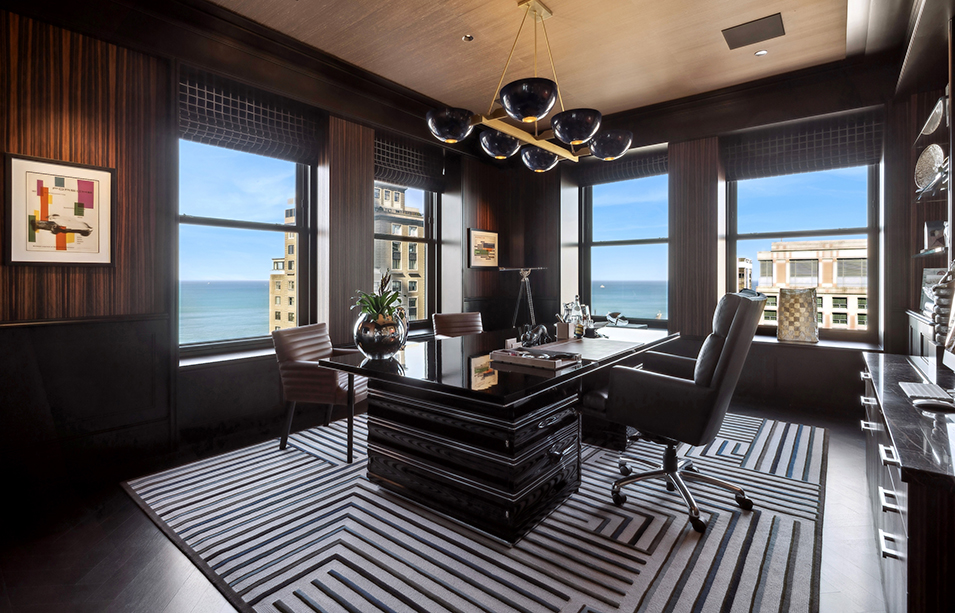 Chicago, Illinois | Jameson Sotheby’s International Realty
The desire to push beyond the ordinary is something that Derbyshire has also noted among her clients. “Now, it’s all about making a statement, and the only way to stand out is through creativity, which naturally leads back to the principles of art deco,” she says. “These focus on craftsmanship, quality materials and sophistication—things that will never go out of fashion. Alongside its unending versatility, they are elements that ensure art deco remains relevant to this very day.”
Find out more about The Art of Blending Historic and Contemporary Design
Art Deco’s timeless elegance continues to captivate, transforming luxury homes into masterpieces of style and functionality. If you’re considering buying or selling a property in Telluride, let Anne-Britt Ostlund and the Mountain Rose Realty team help you navigate the market with expertise and creativity. Contact us today to explore Telluride homes for sale or to discuss how to market your home with distinction.