
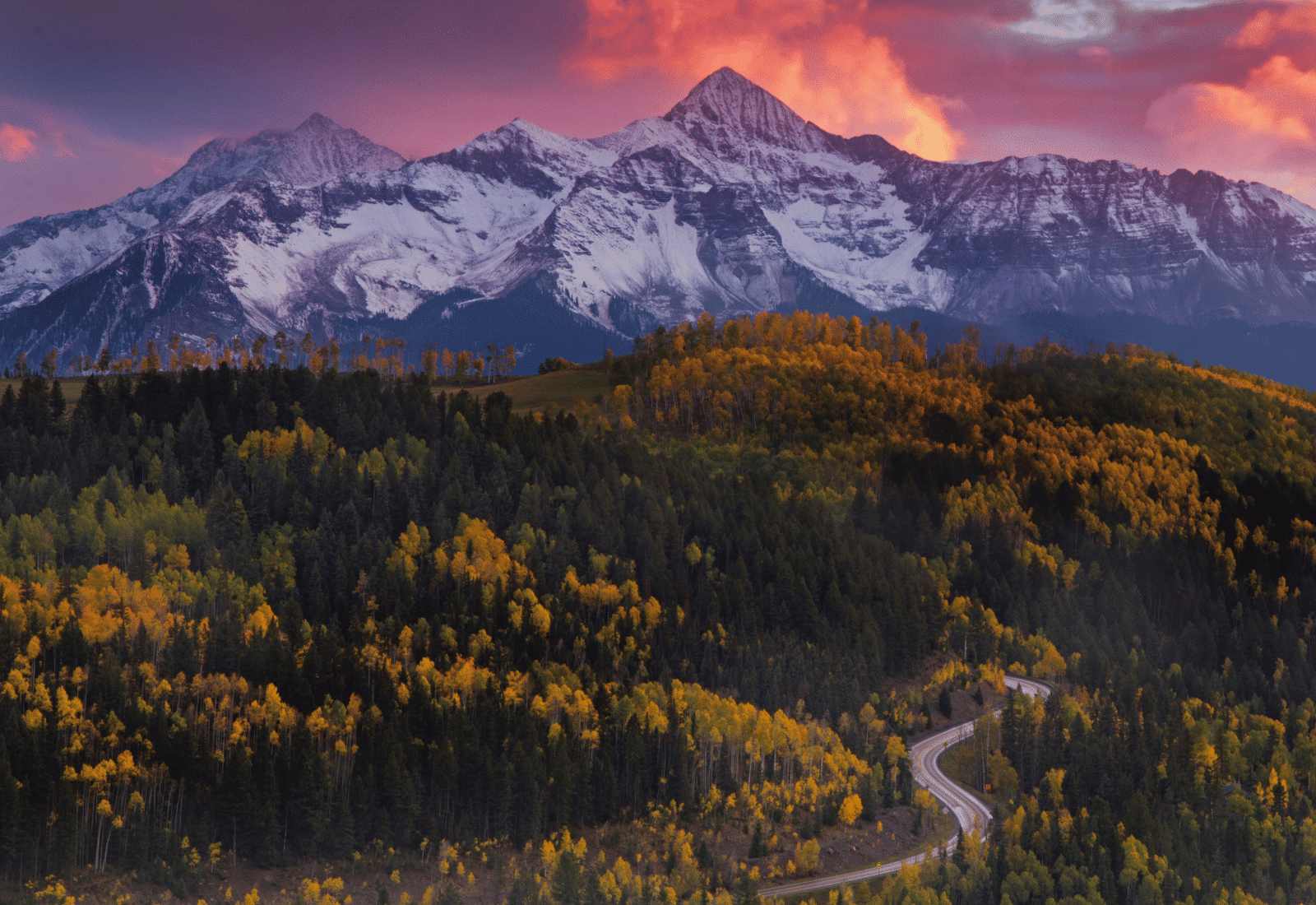
Buildable Land Near Telluride
Buildable Land Near Telluride
Mountain Rose Realty helps buyers find and vet buildable land, homesites, and acreage across the Telluride region, from in-town Telluride lots to Mountain Village parcels, Aldasoro Ranch, Wilson Mesa, and the mesas out toward Norwood and Placerville. Buying buildable land, homesites, and acreage in the Telluride area is not the same as buying a finished house: the price on the listing sheet is the opening figure, not the total, and the real work is confirming that a given parcel has legal access, water, a viable septic location, and a zoning designation that permits the home you have in mind. This guide walks through where to look, what "buildable" actually requires, and the specific documents to pull before you write an offer.
Short Answer
Buildable land near Telluride is available in the Town of Telluride, Mountain Village, Aldasoro Ranch, Ski Ranches, Wilson Mesa, and unincorporated San Miguel County toward Norwood, Placerville, and Ridgway, with the trade-off being that outlying parcels are usually cheaper but require a private well and an on-site septic system rather than town utilities. A parcel is genuinely buildable only when it has recorded legal access, a permitted or permittable water source, a septic site that meets San Miguel County's OWTS rules, and zoning that allows your intended structure. In San Miguel County, on-site wastewater systems are permitted for domestic flows under 2,000 gallons per day as of 2026, per the county Community Development and OWTS pages. Before you make an offer, verify the well permit or water rights with the Colorado Division of Water Resources and confirm the septic feasibility with the county.
Search Buildable Land Near Telluride
Mountain Rose Realty tracks buildable inventory across a wide radius because the closer you sit to the Telluride core, the scarcer and more expensive vacant land becomes. In-town Telluride lots are rare and command a premium because the historic townsite is nearly built out; most vacant residential land trades in Mountain Village, Aldasoro Ranch, Ski Ranches, and the unincorporated mesas.
Mountain Village offers the larger concentration of platted, utility-served homesites, with underground water, sewer, and electric already stubbed to many lots. Aldasoro Ranch sits on the sunny bench west of town with larger acreage, big Wilson Peak and Sunshine Peak views, and covenant controls that shape what you build. Ski Ranches and Wilson Mesa push you into well-and-septic territory, more privacy, more acreage, and more due diligence.
Farther out, Norwood, Placerville, Ophir, Rico, and the Ridgway side offer genuine acreage at a fraction of in-town pricing, with the trade-off being longer drives, winter access questions, and full reliance on private water and wastewater. A 35-acre parcel on Wilson Mesa lives in a different world than a serviced lot two hundred yards from the gondola, even when the two carry similar asking prices.
For a broader orientation, our overview of how to buy land in Telluride from raw dirt to finished home pairs well with the parcel-specific checks below, and Aldasoro Ranch homesites and view lots is worth studying if you want acreage close to town.
What Makes Land Buildable
A buildable lot near Telluride is a parcel with four confirmed conditions: legal recorded access, a water source you can permit, a septic site that passes county standards, and zoning that allows your intended home. Miss any one and the land may be raw investment, not a homesite.
Buildable land near Telluride is a parcel that satisfies four independent tests, not a single one. First, legal access: the lot needs a recorded easement or frontage on a maintained road, because a parcel reached only across a neighbor's ground without a deeded easement is effectively landlocked. Second, water: outside town service areas you need a permitted well, and the Colorado Division of Water Resources holds the well permit records that confirm whether a legal domestic well exists or can be drilled. Third, wastewater: San Miguel County's OWTS program permits on-site septic systems for domestic flows under 2,000 gallons per day as of 2026, and a soil evaluation must show a workable drainfield location. Confirm all four in writing before closing. Access is the condition buyers underestimate most. A gorgeous parcel on Wilson Mesa with no deeded, recorded easement across the intervening ground is not buildable until that access exists on paper, and fixing it after closing means negotiating with neighbors from a weak position.
Water is the second gate, and it is jurisdictional. Mountain Village lots typically connect to municipal water and sewer, while a Norwood or Placerville acreage almost always relies on a private well, which is why you check the Colorado Division of Water Resources well permit records early, not late.
Septic feasibility is the third gate and it is soil-dependent, not wishful. The San Miguel County Community Development OWTS pages spell out the permitting path, and a licensed soil evaluation tells you whether the ground percolates and where the drainfield can legally sit relative to wells, property lines, and drainages.
Buyer Strategy for Buildable Land
The smartest strategy for buying buildable land, homesites, and acreage in the Telluride market is to price the finished house, not the dirt, before you fall for a view. Land is roughly the down payment on the real project; mountain construction, long utility runs, and site work often exceed the lot cost itself.
Budget beyond the purchase price for the items flat-land buyers never face: a well drilled to unknown depth, an engineered septic system, a long driveway plowed all winter, retaining and foundation work on slope, and utility extensions that can run hundreds of feet. On a steep Ski Ranches lot, site work and access can rival the vertical construction budget.
Sequence your due diligence during the contract period so contingencies protect you. Order the well records, soil evaluation, survey, and a title review of easements and covenants before your inspection deadline, because a failed perc test or a missing access easement is exactly what a contingency is meant to let you walk away from.
Decide honestly whether you want to build at all. Buying raw land and building gives you control over layout, orientation to Wilson Peak, and finishes, but it commits you to eighteen months or more of design, review, and construction; buying an existing home near Telluride costs more up front but delivers a roof, a permitted septic, and a warm house this winter. Our guide to buying an existing home in Telluride is the honest counterweight if the timeline gives you pause.
If a caretaker unit or rental is part of the plan, study how accessory dwelling units work in the Telluride area before you buy, since an ADU changes your water, septic sizing, and zoning math.
Compare Buildable Areas Near Telluride
The right area near Telluride depends on how much you value proximity versus acreage, and on whether you want utilities delivered or are willing to drill and dig. Each sub-area carries a distinct trade-off between service, privacy, and construction complexity.
Mountain Village is the serviced choice: platted homesites with municipal water and sewer, ski access, and the shortest path to utilities. the practical trade-off is design control. In Mountain Village, development applications for a structure must be stamped by a Colorado-licensed architect, with only narrow remodel exemptions under the current Community Development Code, and a building permit for a project requiring design review cannot be issued until the project is reviewed and approved, per current Town of Mountain Village materials. That process protects the mountain's look and adds months to your timeline.
Aldasoro Ranch and Ski Ranches sit on the sunny side with larger lots and open views, trading Mountain Village's municipal hookups for well-and-septic systems and ranch covenants that govern siting and materials.
Wilson Mesa, Norwood, Placerville, Ophir, and Rico deliver true acreage and privacy at lower land prices, with the trade-off being winter access, longer drives, and full reliance on private water and San Miguel County septic permitting. If a working ranch is the goal, our look at luxury ranch properties near Telluride covers the acreage end of the market.
For the town-versus-mountain lifestyle decision, how Mountain Village compares to Telluride town lays out the daily-living differences that outlast the build.
What To Verify Before Deciding
- Legal access: Confirm a recorded easement or maintained-road frontage; a parcel reachable only across a neighbor's land is not buildable until access is on paper.
- Water source: Check Colorado Division of Water Resources well permit records for an existing or permittable domestic well, or confirm municipal water availability in Mountain Village.
- Septic feasibility: Verify with San Miguel County that a soil evaluation supports a drainfield, and confirm the domestic flow stays under the 2,000 gallons per day OWTS threshold (2026, county Community Development).
- Zoning and codes: Confirm the zoning allows your structure and that plans meet the 2018 International Codes adopted by San Miguel County Resolution 2023-01, plus Regulation 43 septic standards effective through the June 15, 2026 local adoption deadline.
- Design review: In Mountain Village, plan for licensed-architect stamps and design-review approval before any permit issues.
- Full build budget: Price the well, engineered septic, driveway, site work, and utility runs, not just the land.
Field Notes: Verifying a Lot Before You Buy
Verifying a lot near Telluride comes down to pulling four documents and one soil test before your contingency deadline expires. The parcel that looks perfect from the road can hide a landlocked access problem or a septic site that fails on paper.
Start with the well. The Colorado Division of Water Resources holds the permit records that tell you whether a legal domestic well exists, what it can serve, and whether a new permit is even available in that basin. This single record separates a buildable outlying parcel from an expensive view you cannot inhabit.
Confirm the septic path next. A soil evaluation from a licensed professional tells you where the drainfield can sit and whether it clears the setbacks.
Pull the title commitment and read the easements and covenants, then order a current survey. Together these confirm legal access, building envelopes, and covenant limits before you are contractually committed rather than after.
Finally, match the codes to your plan. San Miguel County adopted the 2018 International Codes by Resolution 2023-01, so your architect designs to a known standard, and in Mountain Village the licensed-architect stamp and design-review approval are non-negotiable gates ahead of any building permit. Owning here also means planning for the elements, and our notes on living and building at high altitude in Telluride cover what thin air and long winters do to a construction schedule.
This is white-glove, parcel-by-parcel work, and it is the boutique, independent, and unapologetically personal side of what Mountain Rose Realty and Anne-Britt Ostlund do for land buyers. You can read more about Anne-Britt Ostlund's background and the Mountain Rose Realty approach to Lifestyle By Design if you want to know who you would be working with. Every parcel is unique, like you!
Reviewed for freshness: July 2026.
Work With Anne-Britt Ostlund in The Telluride
Anne-Britt Ostlund helps buyers compare homes and neighborhoods with a practical tour plan. The service area covers Mountain Village, Ophir, Rico, Silverton, Norwood, and Placerville, and the next conversation can turn commute pattern, neighborhood fit, HOA or metro-district tolerance, school-boundary checks, and current inventory into concrete next steps.
- Service areas: Mountain Village, Ophir, Rico, Silverton, Norwood, Placerville, Ridgway, and Telluride.
- Office or service-area location: PO Box 4194 Telluride, CO 81435.
- Phone: (970) 729-8005
- Email: ab@MountainRoseRealty.co
- Google Business Profile: Mountain Rose Realty on Google Maps
- Contact: https://mountainroserealty.co/
Frequently Asked Questions
What documents confirm that a lot near Telluride is buildable?
Start with the recorded plat, which shows the building envelope, easements, and lot dimensions, and pair it with a current title commitment to identify any restrictions or liens. You should also review the zoning designation with the applicable jurisdiction and confirm whether a soils report or geologic hazard assessment is required given the terrain. If any of these are missing or unclear, treat the parcel as unverified until you obtain them.
Do I need a well and septic system, or is there public water and sewer?
It depends on where the parcel sits: lots within incorporated service areas may connect to public water and sewer, while more remote acreage typically relies on a private well and an on-site septic or wastewater system. For a well, you will want to confirm water rights and permit availability, and for septic, the site must pass a soils evaluation and county approval. Verify utility service for the specific parcel before assuming either arrangement.
What is the design review process for building in Mountain Village?
Mountain Village administers design review through its Design Review Board, which evaluates proposed construction against the town's design regulations covering elements such as height, massing, materials, and site disturbance. The process is generally staged, moving from a preliminary or sketch submittal to a final design approval before building permits are issued. Because the standards are detailed, it helps to engage an architect familiar with the town's requirements early.
How long does the permitting and approval process take in San Miguel County?
The timeline varies with the complexity of the project, the completeness of your submittal, and whether hazard, access, or utility reviews are triggered. A straightforward application on a clearly buildable lot moves faster than one requiring variances, environmental studies, or multiple resubmittals. Rather than assuming a fixed schedule, confirm current review timelines and submittal requirements directly with the county planning and building departments.
Is it better to buy land and build or purchase an existing home near Telluride?
The two paths carry different trade-offs rather than a single right answer. Building lets you control design and site placement but adds time, permitting, and construction risk, while an existing home offers a known cost and a shorter path to occupancy with less flexibility to customize. Weigh your timeline, tolerance for the construction process, and how closely available homes match what you want before deciding.
Frequently Asked Questions
- What documents confirm that a lot near Telluride is buildable?
- Start with the recorded plat, which shows the building envelope, easements, and lot dimensions, and pair it with a current title commitment to identify any restrictions or liens. You should also review the zoning designation with the applicable jurisdiction and confirm whether a soils report or geologic hazard assessment is required given the terrain. If any of these are missing or unclear, treat the parcel as unverified until you obtain them.
- Do I need a well and septic system, or is there public water and sewer?
- It depends on where the parcel sits: lots within incorporated service areas may connect to public water and sewer, while more remote acreage typically relies on a private well and an on-site septic or wastewater system. For a well, you will want to confirm water rights and permit availability, and for septic, the site must pass a soils evaluation and county approval. Verify utility service for the specific parcel before assuming either arrangement.
- What is the design review process for building in Mountain Village?
- Mountain Village administers design review through its Design Review Board, which evaluates proposed construction against the town's design regulations covering elements such as height, massing, materials, and site disturbance. The process is generally staged, moving from a preliminary or sketch submittal to a final design approval before building permits are issued. Because the standards are detailed, it helps to engage an architect familiar with the town's requirements early.
- How long does the permitting and approval process take in San Miguel County?
- The timeline varies with the complexity of the project, the completeness of your submittal, and whether hazard, access, or utility reviews are triggered. A straightforward application on a clearly buildable lot moves faster than one requiring variances, environmental studies, or multiple resubmittals. Rather than assuming a fixed schedule, confirm current review timelines and submittal requirements directly with the county planning and building departments.
- Is it better to buy land and build or purchase an existing home near Telluride?
- The two paths carry different trade-offs rather than a single right answer. Building lets you control design and site placement but adds time, permitting, and construction risk, while an existing home offers a known cost and a shorter path to occupancy with less flexibility to customize. Weigh your timeline, tolerance for the construction process, and how closely available homes match what you want before deciding.