
Telluride vs Santa Fe & Taos: Colorado vs New Mexico
Telluride and the northern New Mexico pairing of Santa Fe and Taos appeal to buyers who want mountains plus culture, but they emphasize different things. Santa Fe is a renowned arts-and-culture city with adobe architecture and a mild high-desert climate; Taos pairs an artistic, historic town with serious ski terrain. Telluride offers a more concentrated ski-resort-and-historic-town experience in a dramatic alpine box canyon. The comparison spans climate, culture, skiing, and price.
Market snapshot as of 2026-05-31
Historical figures below describe the stated reporting date, not current inventory.
Telluride, CO active listings as of May 31, 2026 · Mountain Rose Realty IDX (Telluride / REcolorado MLS feed)
Culture and climate
Santa Fe is one of the country's premier arts-and-culture destinations — galleries, museums, a celebrated culinary scene, distinctive adobe architecture, and a mild, sunny high-desert climate at around 7,000 feet. Taos adds a storied artistic legacy and a more rugged, bohemian character. Telluride, at 8,750 feet in an alpine box canyon, offers a colder, snowier mountain climate and a festival-driven culture centered on film, music, and the outdoors. Buyers drawn to Southwestern art, history, and a milder climate lean toward Santa Fe and Taos; those drawn to dramatic alpine scenery, deeper winters, and a ski-resort lifestyle lean Telluride.
Skiing and setting
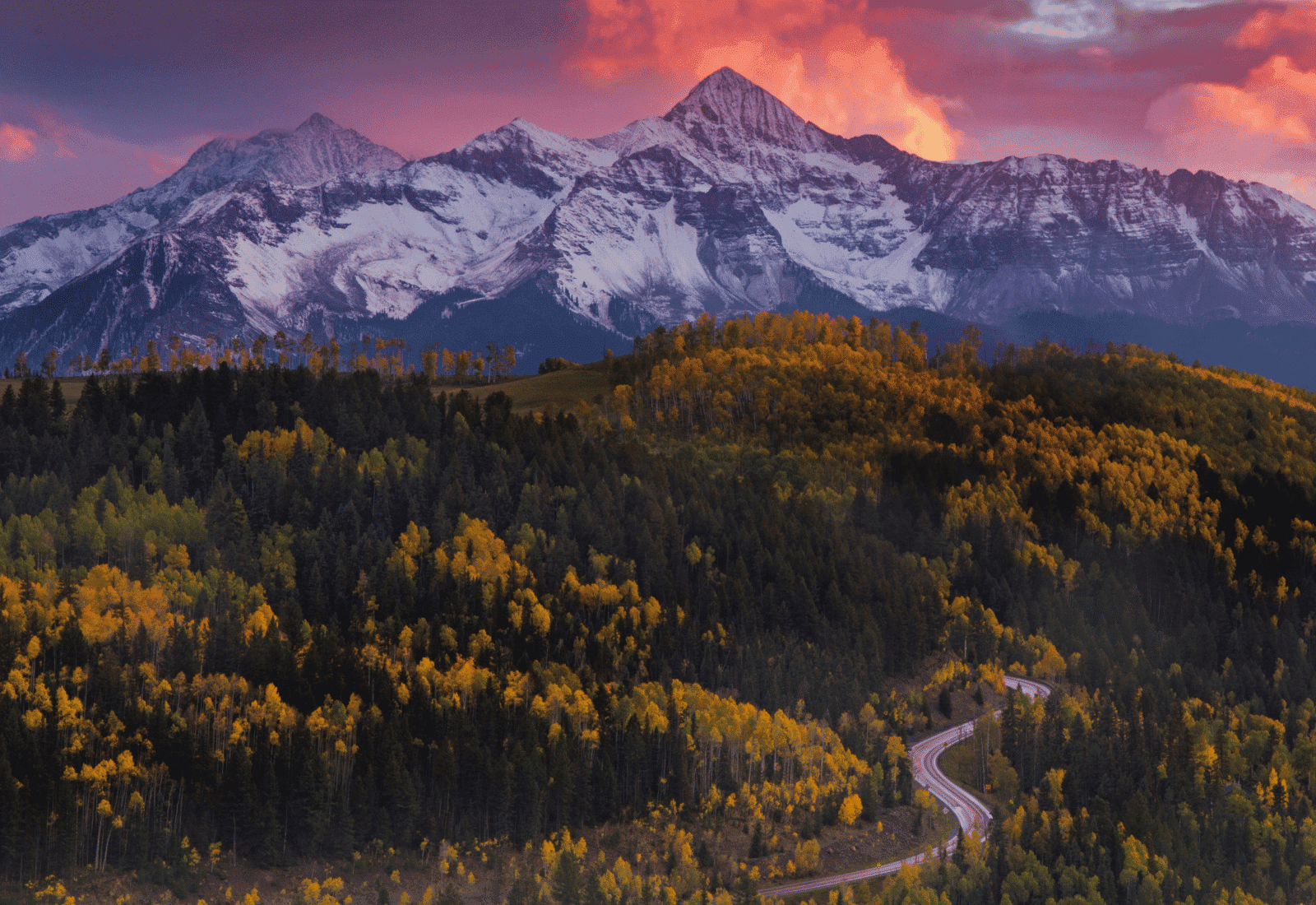
For skiers, the comparison favors different priorities. Taos Ski Valley is well known for steep, challenging terrain and is the serious ski option in northern New Mexico, while Santa Fe has its own smaller ski area nearby. Telluride is a marquee destination resort with extensive, varied terrain and a dramatic box-canyon setting framed by 13,000- and 14,000-foot peaks. New Mexico's high-desert mountains feel open and arid; Telluride's San Juan setting feels enclosed, vertical, and distinctly alpine. The landscapes are fundamentally different experiences of the Southern Rockies.
Real estate and value
Northern New Mexico generally offers more attainable real estate than top-tier Colorado resorts, with Santa Fe spanning a wide range and Taos relatively affordable, while Telluride sits in the luxury resort tier — as of May 31, 2026, the median list price was about $3,175,000 (range roughly $395,000 to $29,990,000), per the Mountain Rose Realty IDX feed. Buyers prioritizing culture, climate, and value may favor Santa Fe or Taos; those prioritizing a marquee ski resort and alpine exclusivity favor Telluride. Some buyers even hold homes in both regions for seasonal balance. Explore Telluride via Telluride real estate and luxury homes.
Frequently Asked Questions
- Is Telluride more expensive than Santa Fe or Taos?
- Generally yes. Telluride sits in Colorado's luxury resort tier with a median list price near $3,175,000 as of May 31, 2026, while northern New Mexico is more attainable — Santa Fe spans a wide range and Taos is relatively affordable. Telluride commands a premium for its ski-resort prestige and scarcity.
- Which has better skiing, Telluride or Taos?
- Telluride is a marquee destination resort with extensive, varied terrain and dramatic alpine scenery, while Taos Ski Valley is well known for steep, challenging terrain as northern New Mexico's serious ski option. Telluride offers a broader destination-resort experience. Taos appeals to skiers seeking steeps closer to New Mexico.
- How do the climates compare?
- Santa Fe and Taos sit lower (around 7,000 feet) with a milder, sunny high-desert climate, while Telluride at 8,750 feet in an alpine box canyon has a colder, snowier mountain climate. New Mexico is drier and sunnier overall; Telluride has deeper winters and a true alpine setting.
- What is Santa Fe known for compared to Telluride?
- Santa Fe is one of the country's premier arts-and-culture destinations, with galleries, museums, adobe architecture, and a celebrated culinary scene. Telluride is known for a dramatic box-canyon ski-resort setting, a historic mining town, and a festival calendar. The contrast is Southwestern art and culture versus alpine resort living.
- Should I buy in Telluride or northern New Mexico?
- Choose Santa Fe or Taos for arts and culture, a milder high-desert climate, and relative value; choose Telluride for a marquee ski resort, dramatic alpine scenery, and exclusivity. Some buyers hold homes in both for seasonal balance. The decision spans climate, culture, skiing, and budget.