
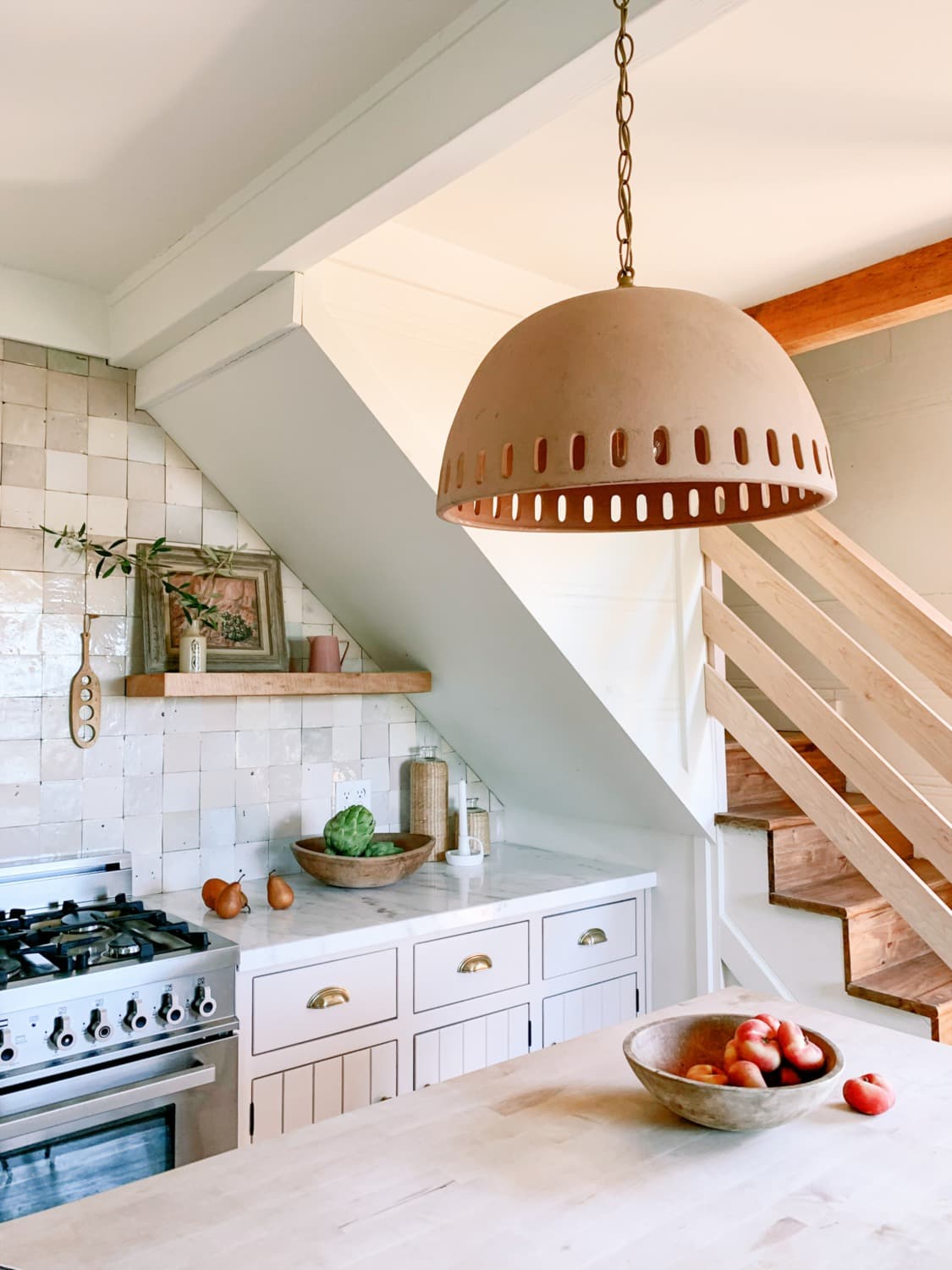
Before renovating for resale, identify the property’s condition, likely buyer expectations and the cost of the proposed work. No kitchen, bath, landscape or added-space project guarantees a return at sale.
The original guide emphasized functional updates over highly personal choices. That remains a useful question: does the project address deferred maintenance, safety, layout or a feature buyers in the relevant segment are likely to evaluate? Obtain appropriate permits and contractor information before assuming work will add value.
Kitchen and bathroom work can be visible to buyers, but the right scope depends on the existing condition, price range and comparable homes. Durable, coherent finishes can make a space easier to assess. A neutral palette may broaden appeal for some buyers, while a distinctive choice is not automatically a mistake or a financial loss.
Additional baths, storage, office space, improved lighting, windows, doors and exterior maintenance can change a home’s utility. They can also add cost, permit requirements, HOA constraints and maintenance. Landscaping and curb appeal matter to a first impression, but plants, paint, pathways and water features should fit the site, climate, budget and upkeep plan.
Examples from the original guide include white kitchen or bathroom cabinetry; a bold color kept to flowers or a small accessory; a kitchen or primary-suite expansion; more closet space; a spare bedroom used as an office; and a basement made into usable gathering space. Added bedrooms, living area and basement uses require appropriate approvals and should not be advertised as legal space solely because they have been finished.
For light and presentation, the guide suggested lighter wall colors, skylights, windows and French doors. Exterior ideas included tidy landscaping, colorful plants, a navy, red or charcoal front door, a flagstone walkway or a water feature. These are design options, not a ranked return-on-investment list. Consider mountain climate, water use, snow, drainage, maintenance and preservation or HOA review before committing.
Compare similar recent sales and active listings, including their condition and upgrade level. Ask what problem the work solves, what it costs, whether permits or association approval apply, and what evidence supports a buyer preference. Personal enjoyment can be a valid reason to improve a home even if resale recovery is uncertain.
For a property-specific review of condition, comparable homes and a future listing plan, contact Mountain Rose Realty.